

My MIFF Experience
Reflecting on my first time attending the Melbourne International Film Festival

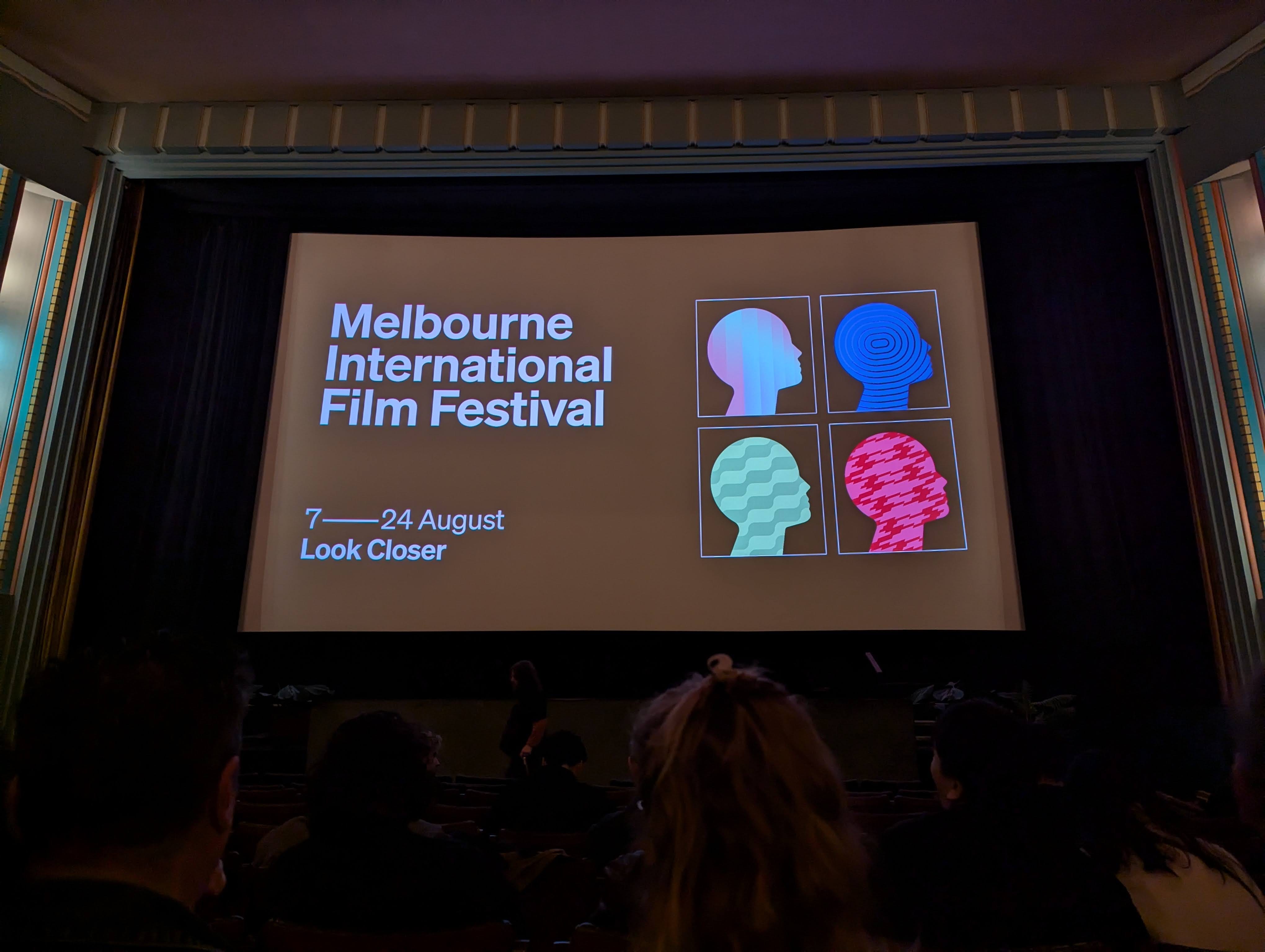
Film festivals are that rare kind of place where an entire community comes together for the same reason: they love movies and are willing to spend $30 on a movie ticket. I have attended a couple of film festivals before, but this marked my first time attending the Melbourne International Film Festival (MIFF). Unlike the festivals I’d attended previously, this was also the first time I dared watch more than one movie! A true festival experience! After what’s been a tempestuous few months—as you can probably glean from the fact that I started this newsletter, then hadn’t published anything since—August marked my return to film. And what better way to re-engage with a passion than to spend $90 on movie tickets!
Before I go into my time at MIFF, I do want to address something that I have spoken at great length about previously: the need for increasing accessibility to film. I was delighted to see that MIFF offered discounted tickets for customers under the age of 26, as well as offering free tickets to members of the First Nations community. Beyond this, MIFF boasts an array of different film viewing options, including online streaming access to a library of films screening during the festival, sensory-friendly screenings, and various communication access options.
In an era where critical engagement with cinema appears to be fighting a losing battle with short-form content, MIFF’s increased accessibility to films is a reassuring step towards reconnecting the population with film art and culture. If we want to increase interest in film criticism, it starts with increasing accessibility to films themselves.
There were a lot of excellent movies screening at the Melbourne International Film Festival this year, but for the sake of my wallet, I restricted myself to only watching three films.
Little Trouble Girls
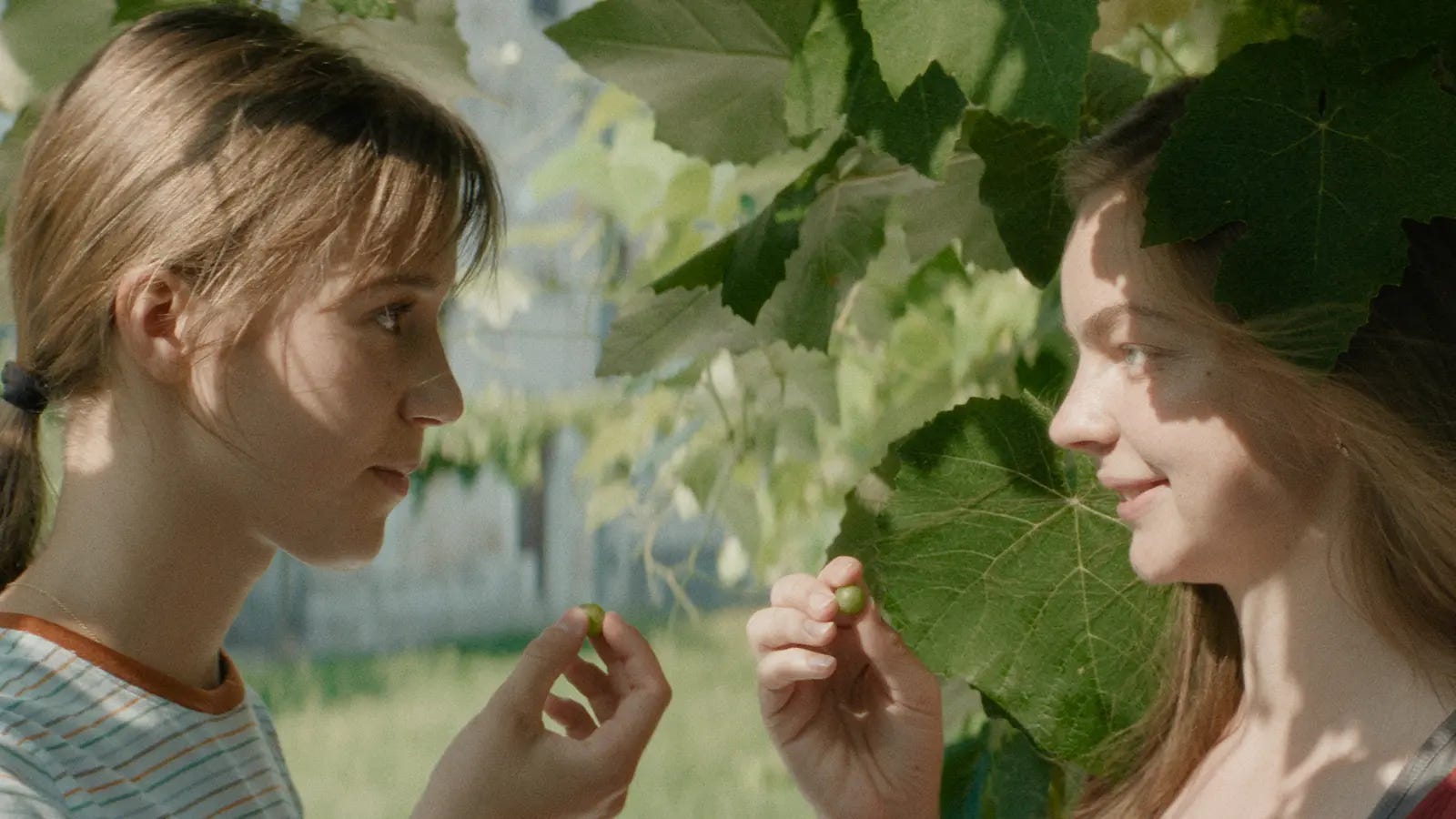
As an avid fan of the cinema of Céline Sciamma, I was instantly drawn to the intimate exploration of girlhood promised in Urška Djukić's debut feature film, Kaj ti je deklica (Little Trouble Girls). The film follows 16-year-old Lucia (Jara Sofija Ostan) as she spends a transformative weekend at a countryside convent with her Catholic school’s all-girls choir. Lucia appears quiet and naive, yet harbours deep desires that emerge after she befriends the popular third-year student Ana-Maria (Mina Švajger). Over the short weekend, Lucia begins to question her beliefs and values as she navigates unfamiliar surroundings and her budding sexuality, disrupting the harmony within the choir.
While a lot of contemporary coming-of-age tales tend to focus on the fast-paced rush of adolescence, Djukić presents a more nuanced representation of this brief time in our lives as a slow burn. The events of Little Trouble Girls build slowly yet gradually, with each act of deviance slowly giving way to the next. Rife with religious imagery, Djukić depicts adolescence as a polarising time of simultaneous purity and promiscuity. Coming-of-age exists in a world of contradiction: too old to be a child, yet too young to be an adult. It is a time that is arduous and unrelenting, yet at the same time filled with moments of blissful discovery.
In one of the film’s most thoughtful visual choices, cinematographer Lev Predan Kowarski lingers on an extreme close-up of Lucia’s neck while she’s sensually exploring her own body. Her throat engulfs the frame, its context displaced and turning flesh into a landscape that is yearning to be explored. The camera’s gaze remains tender and unflinching, capturing the tremor of Lucia’s awakening through the subtle choreography of skin, breath, tension, and release. It blurs the line between flesh and feeling, merging the tangible with the intangible, reflective of Lucia’s internal conflict between desire, shame, and self-discovery. With her throat engulfing the frame, Kowarski captures the silence of a girl learning to inhabit herself.
Evocative of the coming-of-age films of Sciamma, Djukić’s debut boldly embraces the contradictions that underpin girlhood and challenges them to coexist. Little Trouble Girls unfolds with a slow-burning intensity, steeped in religious symbolism and quiet provocation. Girlhood here is rendered like a candle—beautiful yet dangerous, alluring yet volatile. Flickering between innocence and desire, beauty and chaos, warmth and danger. The desire to explore, to discover what the unknown warmth beckons, and the fear of being seduced by its glow, getting too close that it burns.
Sorry, Baby
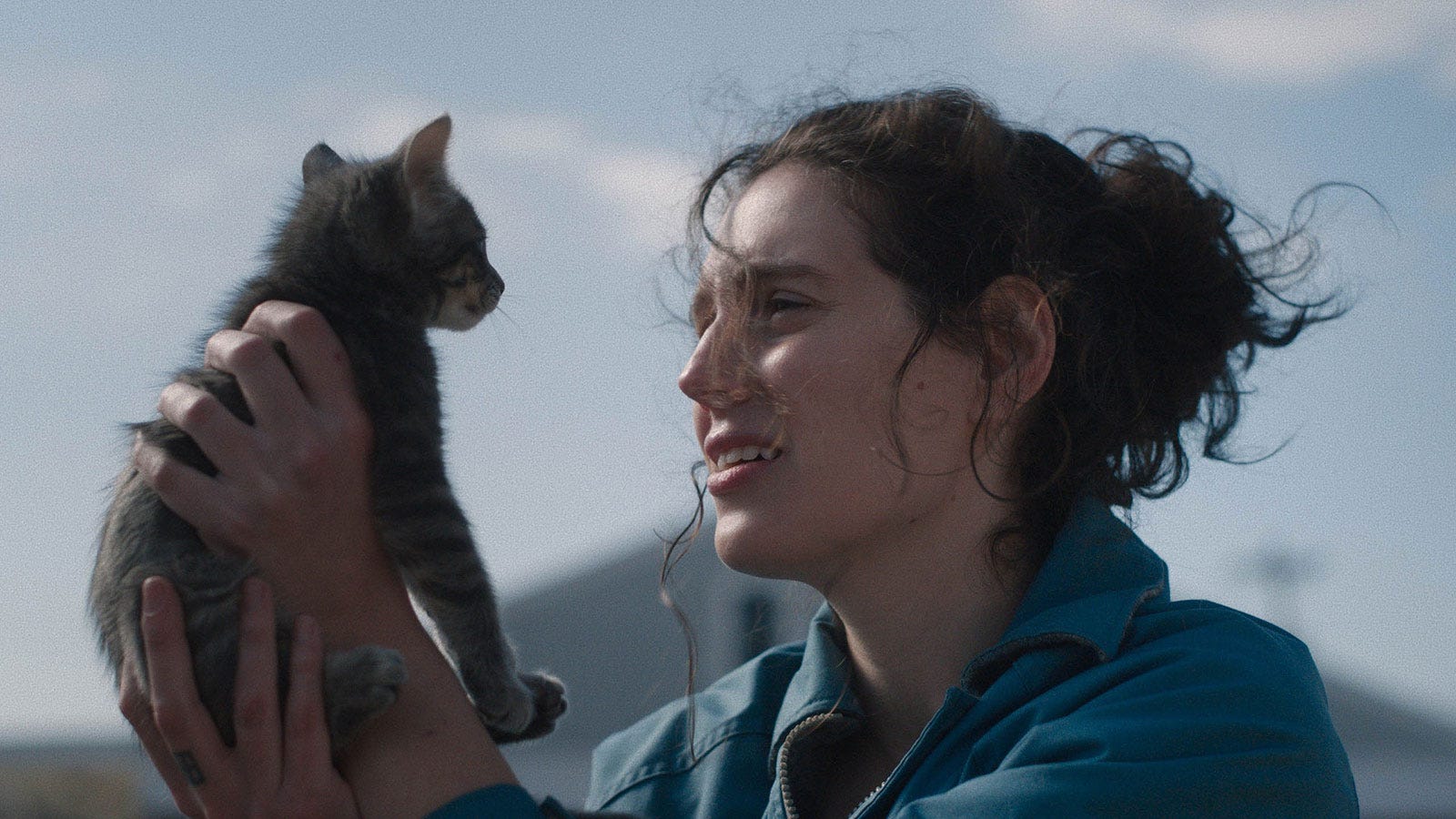
One of the biggest headliners at this year’s festival and fresh out of Sundance is Eva Victor’s breathtaking directorial debut Sorry, Baby. I was intrigued by its simplistic packaging; the synopsis merely stating that “something bad happened to Agnes” and a poster depicting a person gazing hopefully at a kitten that they hold awkwardly in their hands. I wasn’t at all prepared for the movie to exude the raw energy of powerhouse comedian/director/writer/actor Eva Victor, immersing me in a story so real and dark and funny and hopeful.
In its non-linear narrative, we follow Agnes (Eva Victor) and the events surrounding the “bad thing” that happened. From their time as a graduate student to their early career as a literature professor, Sorry, Baby guides us through Agnes’ fluctuating identity at different stages in their life.
Given the ambiguity surrounding the “bad thing”, I was cautiously curious as to how the film would choose to portray it. What unfolded was a masterclass in emotional nuance and cinematic restraint. During their time as a graduate student, Agnes is mentored by their literature professor, Preston Decker (Louis Cancelmi), who takes great interest in Agnes’ thesis. Later, Agnes meets with Decker at his house. We see Agnes enter through the front door, while we remain positioned outside the house. Motionless and distant, we watch day turn to night, time passes slowly, and from the outside of the house, all seems quiet and unsuspecting. Until Agnes stumbles out of the front door and into the night, visibly shaken. Something happened. The distance Victor forces in the depiction of the events in this scene mirrors Agnes’ feeling of being disconnected from their own body, their own identity in this moment. A subtle yet devastating portrayal of dissociation. Sorry, Baby speaks volumes in what it chooses to leave unsaid and unshown, bridging the disconnect with quiet reflection and lingering resonance that deepens its portrayal of trauma without ever retraumatising the audience.
Through its non-linear portrayal of trauma and grief, Sorry, Baby taps into the unique complexities of human experience and the fragmented ways memory and identity intertwine across time. Through its disjointed narrative, the film resists tidy resolution, and instead invites you to sit with discomfort, ambiguity, and the quiet echoes of loss—not only what has been lost, but the haunting possibility of what can slip away.
The Mastermind
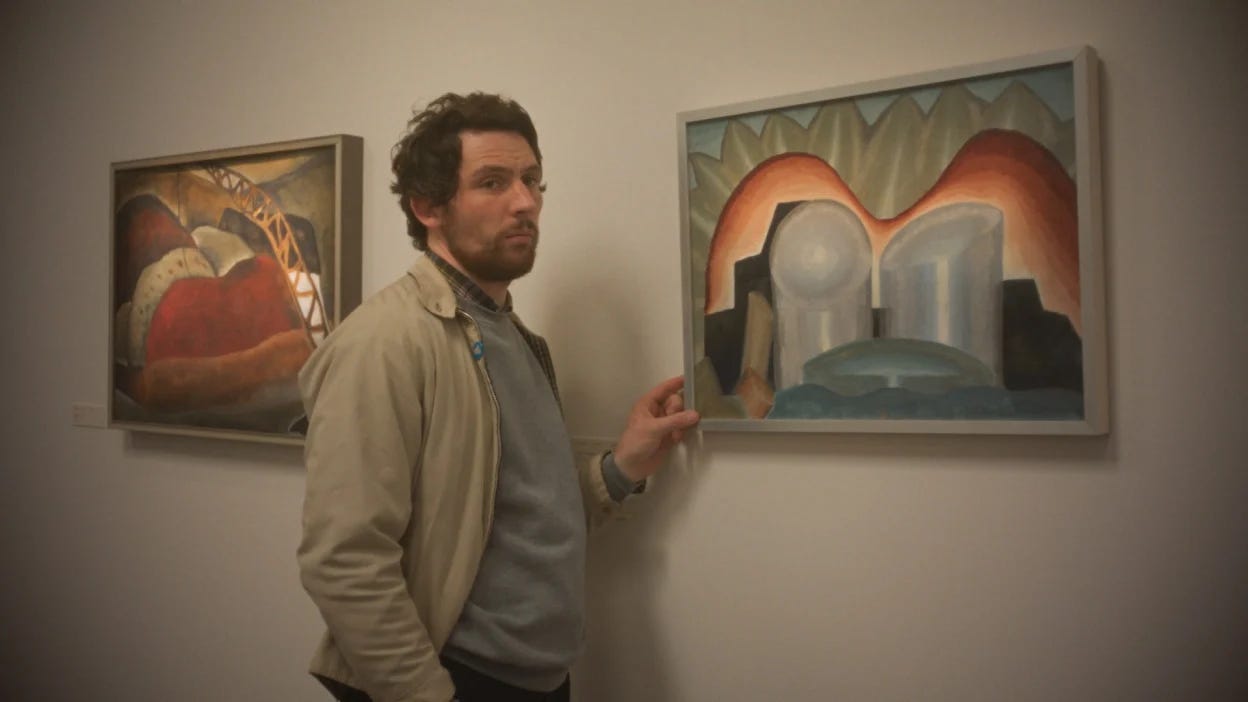
Defined by her signature minimalism and thoughtful pacing, Kelly Reichardt’s latest film, The Mastermind, is a quietly powerful meditation on the fragility of ego, the constructs of masculinity, and the seductive illusion of control. Set in 1970s Massachusetts, The Mastermind follows JB Mooney (Josh O’Connor) as an unemployed carpenter turned amateur art thief whose life quickly unravels after his first big heist at a small-town art gallery.
Unlike traditional heist films that build tension with planning and high-stakes execution, Reichardt presents the theft as almost mundane. No dramatic score, no quick camera cuts, limited dialogue, carried out in broad daylight when the gallery is frequented by only a few senior citizens and a couple of bored school kids.
The Mastermind then becomes an anti-heist film that actively displaces the ambitious spectacle known to most heist films in favour of revealing a heist as a subdued, desperate attempt for control to fuel one’s ego. JB makes for an interesting character study as he stumbles from failure to failure, a constant disappointment to his parents, his wife, his children, and his friends. Without the glamour of a standard heist film protagonist, Reichardt relishes in the uncomfortable desperation of JB and his delusions of grandeur that constantly crumble, with each vile act a cruel depiction of his own disgrace; his actions never seem justifiable. He’s far from the suave thief he thinks he is.
With her minimalist style and penchant for slow cinema, Reichardt’s filmmaking is a perfect match for a heist film that actively subverts the genre’s conventions. It offers a reconsideration of the pace and intention of the heist film and its protagonists, a deconstruction of the narrative and its masculine tropes, and instead presents a heist film so grounded in ennui and realism that it unrelentingly and masterfully crushes the masculine hubris with each scene.
There were many other films I wish I had caught during MIFF, but these three films alone were a beautiful reminder for me of the powerful and creative films that continue to be made. In a time of shortening attention spans, short-form content, and soulless mainstream cash grabs, mindful cinema persists. These are films made with intention and heart, and are the reason why I care so deeply about film. Attending MIFF was the perfect way to re-engage with my love for cinema, and with only a few months left in 2025, I am hopeful for what other movies are due for release later this year.